Recovery
Recovery decides whether a vehicle flies twice. A pyrotechnic charge drives a piston that pushes the parachute and the nose cone out of the airframe.
Schematic, not to scale.
-
01
How it deploys
Recovery decides whether a vehicle flies twice. When the flight computer decides to deploy, it fires a small pyrotechnic charge (an e-match and a charge) on the pyro channel. The charge drives a piston, the middle piece of the recovery section, which pushes the parachute and the nose cone out of the airframe. The shock cord runs through the middle of the piston and keeps the pieces connected.
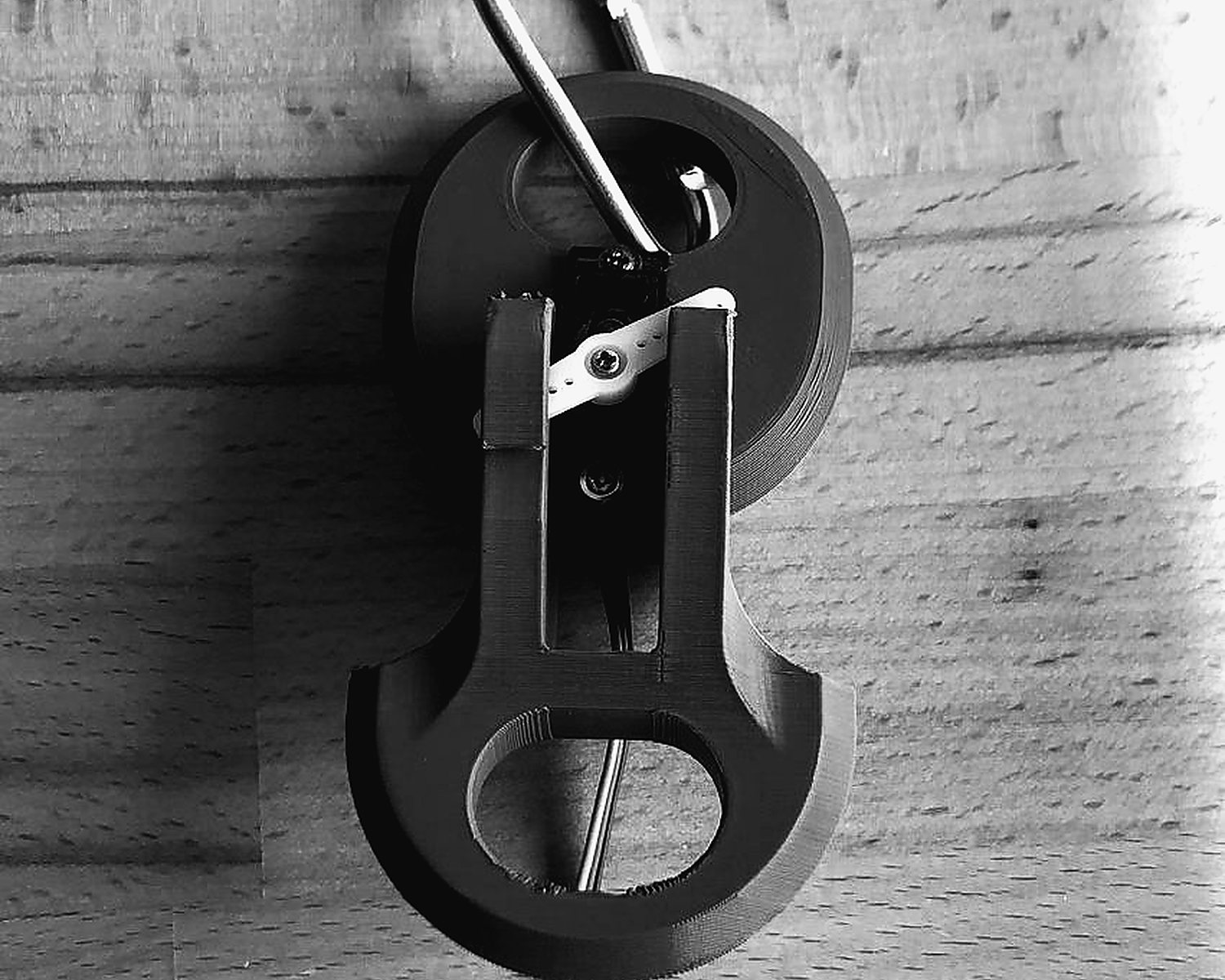
Fig. 2.3 — Recovery mk7 · quick-release and section assembly -
02
The sequence
- Apogee is seen: the vehicle has stopped climbing and starts to fall.
- The filtered altitude falls below the deploy height, or the backup timer runs out.
- The flight computer drives the pyro channel and the charge fires.
- Opening is recognised by the jolt of the canopy, or assumed after a short time. Ground Control then confirms the canopy from the descent rate.
-
03
Debounced and time-gated
Deciding when is the harder problem. Every phase change is detected from the sensors and debounced, so that a single noisy sample cannot advance the state. Each phase also has a time gate: burnout and apogee cannot be declared too soon after liftoff, and deployment needs a minimum apogee, which stops a charge firing on a failed launch. Deployment itself is decided from the filtered altitude, with a backup timer that fires the charge if the altitude path never triggers it. Opening is recognised by the jolt of the canopy, or assumed after a short time, and Ground Control confirms the canopy from the descent rate. Touchdown is declared from near-zero vertical speed held for a while, or by a glide-time limit.
-
04
At the pad
Deployment parameters are read from the configuration file, and each has a compiled-in default, so a missing file still leaves a working set.
A servo quick-release was also built and tested; it is not the deployment method.
-
05
Specification
- Revision
- mk7 (mk1 → mk7)
- Airframe
- 75 mm
- Release
- e-match charge on the pyro channel
- Extraction
- piston pushes parachute and nose cone out
- Deployment
- altitude-based with a backup timer, parameters configurable
- Confirmation
- opening seen by the canopy jolt, canopy confirmed by Ground Control
- Also built
- servo quick-release, not the deployment method


| Vehicle | Period | Recovery |
|---|---|---|
| EA-2 | 2020 | Ejection recovery |
| EA-3 | 2021 | Dedicated parachute recovery section |
| EA-4 | 2022 → | Recovery mk7 with pyro-fired piston ejection, the current build |